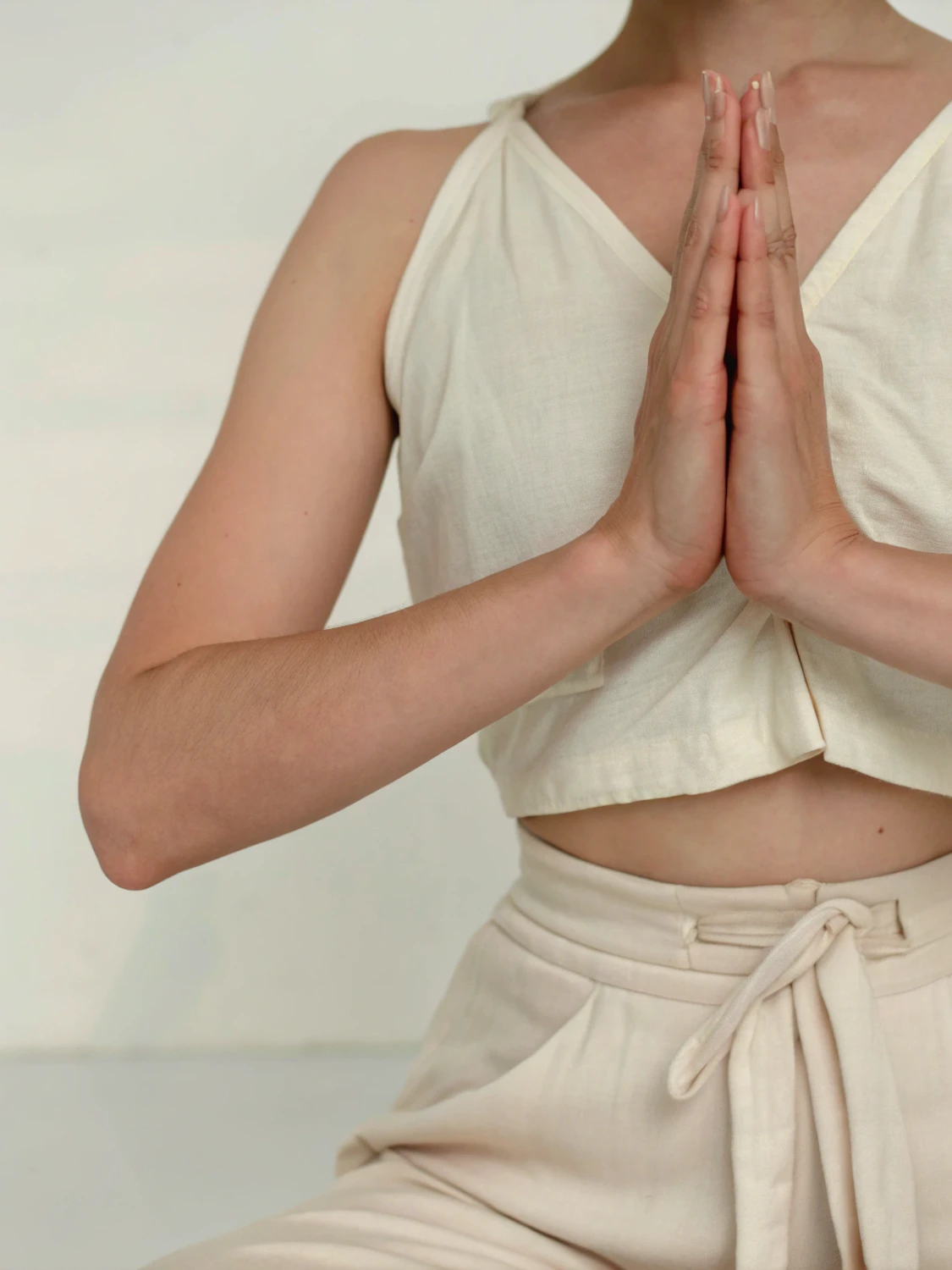
Tai Chi for Beginners: Balance, Strength, and Calm
Tai chi pairs slow movement with breath and attention. Its strongest evidence is for balance and fall prevention in older adults, with promising results for stress.
Mind, mood, and resilience
Evidence-informed guidance on stress, sleep, anxiety, and building a steadier mind, written for everyday life.
26 articles
Tai chi pairs slow movement with breath and attention. Its strongest evidence is for balance and fall prevention in older adults, with promising results for stress.
The three body types come from a discredited 1940s theory and have no scientific standing for diet or training. Here is what actually shapes your body, and how to handle body image.
Brain-training games make you better at the game, and evidence they improve everyday memory or prevent dementia is weak. Here is what actually supports cognitive aging.
Anxiety is a normal stress response, but it can tip into a treatable disorder. Learn how to tell the difference, what CBT involves, and how to find help in the US.
Sleep and mood affect each other in both directions. Here is how much sleep adults need, which sleep habits have real evidence, and why CBT-I is first-line for insomnia.
Resilience is a set of learnable behaviors, not a personality trait. Here are the four areas the American Psychological Association identifies, and what each looks like in practice.
Burnout builds slowly, so it is easy to miss. Learn the three WHO dimensions, the early warning signs, and how burnout differs from depression and everyday stress.
Mindfulness is simpler than it sounds and more modest than it is sold as. Here is how to start in two minutes a day, and what the NCCIH evidence does and does not support.